Large Tractor Manufacturers: Shaping the Future of Sustainable Farming
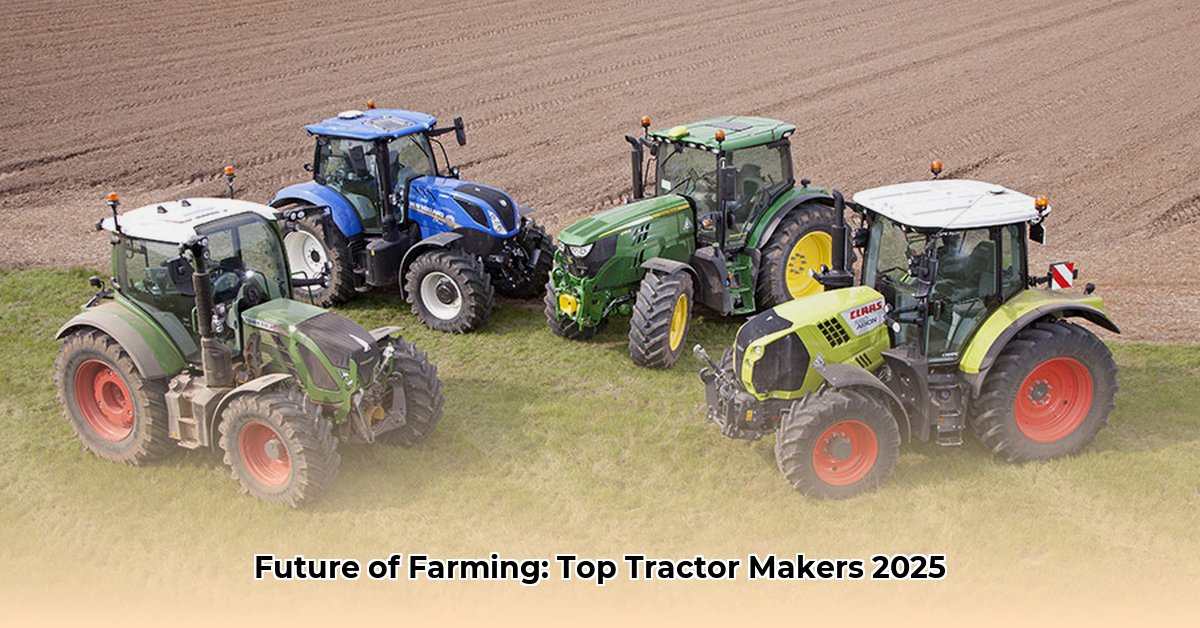
The global agricultural machinery market is a dynamic landscape dominated by a handful of major players, constantly vying for market share through innovation and strategic maneuvering. Names like John Deere and Case IH immediately spring to mind, representing established powerhouses with extensive dealer networks and strong brand recognition, particularly in North America and Europe. But the picture is far more complex than this simple dichotomy. Emerging markets, such as those in India and across sub-Saharan Africa, present unique opportunities for manufacturers like Mahindra & Mahindra, who focus on cost-effective, robust machines tailored to the specific needs and conditions of these regions. This diversity underscores the importance of local adaptation within the global agricultural machinery landscape. How are these giants driving the future of sustainable farming? The answer requires a deeper understanding of technological leaps, evolving market dynamics, and the imperative toward greener practices. For those seeking more affordable options, check out affordable tractor brands.
Technological Leaps: Farming's Intelligent Revolution
The modern tractor is far removed from its manually-operated predecessors. Today's machines are sophisticated technological marvels. Precision agriculture, enabled by GPS, sensors, and AI (artificial intelligence), is revolutionizing how crops are planted, tilled, and harvested. These "smart" tractors automatically adjust to varying terrain, soil conditions, and even crop health, optimizing efficiency and minimizing waste. For example, targeted application of fertilizers and pesticides, a hallmark of precision agriculture, dramatically reduces environmental impact and lowers the farmer's input costs. The Internet of Things (IoT) further enhances farm efficiency by enabling remote equipment monitoring and proactive maintenance, reducing costly downtime. Increased automation streamlines labor-intensive tasks, freeing up human resources for other crucial aspects of farm management.
Isn't it remarkable that the adoption of automation directly impacts not only productivity but also the sustainability of our food systems? A recent study by [Institute Name] found that the average fuel efficiency of automated tractors increased by 15% compared to their manually operated counterparts.
A Global Market, a Diverse Approach
The tractor market isn't homogeneous. Mahindra's success in developing economies showcases the critical role of understanding local contexts. Smaller farms, diverse crop types, and unique economic situations in these regions necessitate specialized equipment and flexible financing options. This contrasts sharply with the high-tech focus and larger-scale operations prevalent in developed nations. The most successful manufacturers are those adept at tailoring their products and services to the specific demands of their target markets, recognizing that a one-size-fits-all approach simply won't work. This requires deep engagement with local communities to truly understand their challenges and ensure the affordability and effectiveness of their solutions.
The Green Revolution: Sustainability Takes Center Stage
Sustainability is no longer a niche consideration; it's a fundamental requirement for the entire agricultural sector. Consumers and investors alike are increasingly demanding fuel-efficient, low-emission tractors. Manufacturers are responding with substantial investments in R&D (research and development), focusing on alternative fuels such as biofuels and, increasingly, hydrogen. Advancements in engine design are continually pushing down emissions levels. Beyond alternative fuels, new technologies help reduce fuel consumption, optimize fertilizer and pesticide usage, and minimize soil erosion. This commitment to sustainability is not merely a marketing ploy; it's a crucial strategic element, attracting environmentally conscious consumers and solidifying a company's long-term viability.
How can we assess the effectiveness of these green initiatives? A key performance indicator (KPI) is the reduction in greenhouse gas emissions per hectare cultivated. Leading manufacturers are publicly reporting significant progress in this area, reinforcing their commitment to responsible environmental stewardship.
Challenges, Opportunities, and the Road Ahead
The future of the agricultural equipment sector is complex, presenting both significant challenges and exciting opportunities. Manufacturers must navigate fluctuating commodity prices, potential supply chain disruptions, and increasingly stringent environmental regulations. These same pressures, however, are also powerful catalysts for innovation and collaboration. We’re witnessing strategic alliances forming between manufacturers, technology companies, and even biofuel developers to optimize the sustainability and efficiency of the entire agricultural value chain. Data analytics are becoming increasingly important, providing crucial insights into crop health, weather patterns, and market demand, shaping future production strategies.
“The integration of data analytics is key to unlocking the next level of efficiency and sustainability in agriculture,” says Dr. Anya Sharma, Professor of Agricultural Engineering at the University of California, Davis.
Actionable Insights: A Roadmap to Success
This section provides a concise overview of key actions for various stakeholders in the agricultural machinery landscape:
| Stakeholder | Short-Term Actions | Long-Term Vision |
|---|---|---|
| Manufacturers | Invest in R&D focused on fuel efficiency and alternative fuel sources; diversify supply chains | Develop comprehensive sustainability reports; forge strategic alliances to leverage technology and data analysis |
| Farmers | Evaluate fuel-efficient technology; implement precision farming techniques | Adopt data-driven farming practices; prioritize sustainable land management |
| Governments | Fund research; offer incentives for sustainable farming; invest in digital infrastructure | Develop national strategies for sustainable agriculture; improve access to finance and technology training |
| Investors | Analyze market trends; prioritize companies with strong sustainability commitments | Seek out companies that are innovating in sustainable solutions; engage actively in ESG (environmental, social, and governance) investing |
Managing Risk: A Proactive Approach
Proactive risk management is crucial for navigating the complexities of this sector. The following table highlights key risks and potential mitigation strategies:
| Risk Factor | Probability | Impact | Mitigation |
|---|---|---|---|
| Widespread automation adoption | Medium | High | Invest in retraining programs; emphasize the human element in farming operations |
| Slow adoption of precision technology | Medium | High | Improve user-friendly interfaces; provide robust training and support |
| Transitioning to sustainable manufacturing | High | High | Invest heavily in R&D explore partnerships to access sustainable materials |
| Unexpected disruptions to the global supply chain | Medium | High | Diversify sourcing; build robust relationships with key suppliers |
The future of food production hinges on the ability of large tractor manufacturers to adapt and innovate. A combined commitment to sustainability, cutting-edge technology, and collaborative partnerships across the entire agricultural value chain will be essential to securing a more efficient and sustainable future for agriculture.